Buddhist Vocabulary: Sangyé
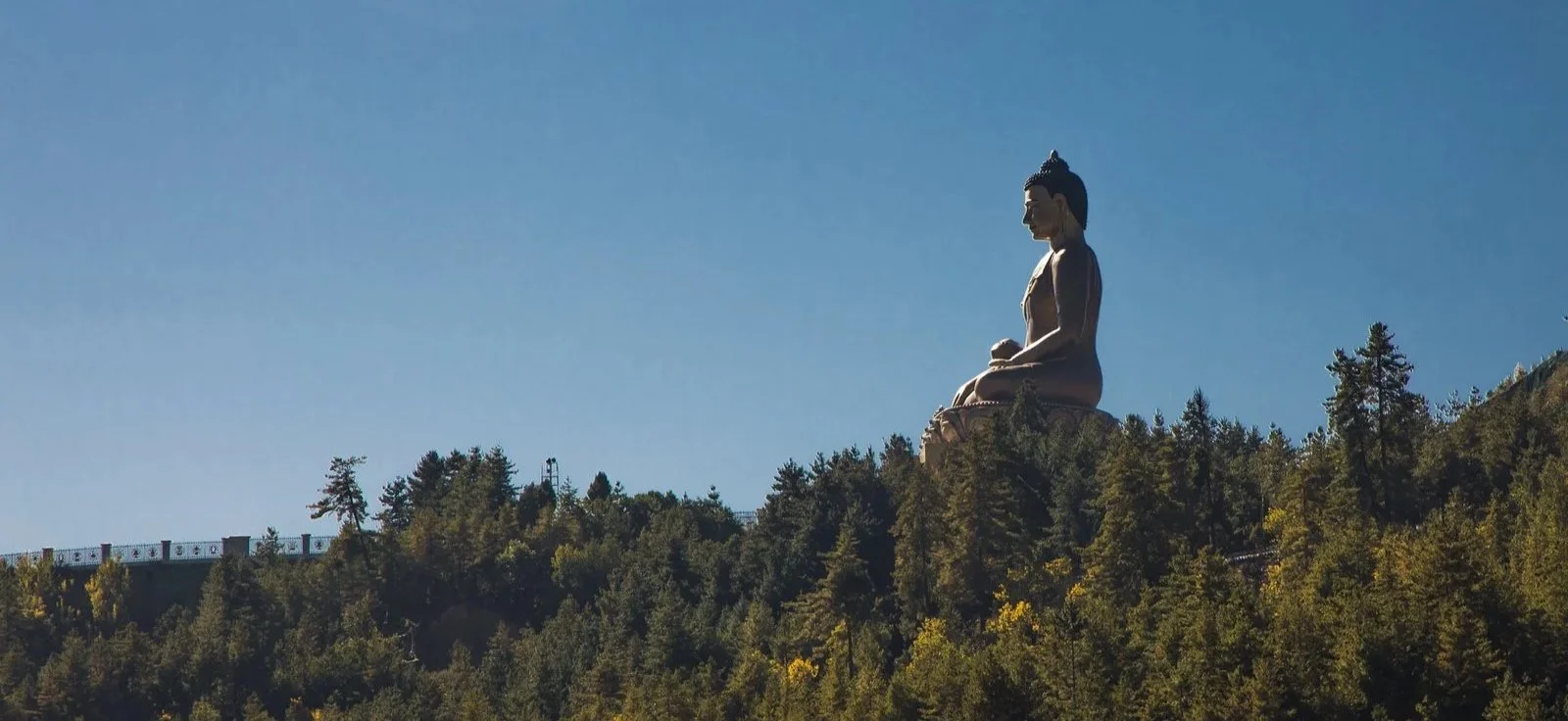
Sangyé (Tib. sangs rgyas; pronounced sang-gyeh)
Sang: purified, cleared
Gyé: expanded, fully developed
The Tibetan word Sangyé (sangs rgyas) is the standard translation of the Sanskrit word Buddha, meaning “awakened one.” The term can be understood by dividing it into two syllables: sang and gyé.
Sang (Wylie: sangs)means purification or cleansing. It refers to the complete removal of the obscurations that prevent us from seeing reality clearly. These obscurations include confusion, emotional afflictions, habitual patterns, and the deeply ingrained tendency to experience ourselves and the world as fixed, separate, and existing independently of causes and conditions.
Gyé (Wylie: rgas) means unfolding, expansion, or full development. It refers to the complete blossoming of wisdom, compassion, love, skillful means, and all the qualities of awakening that are naturally present within the mind.
Together, these two syllables describe both dimensions of the Buddhist path: letting go of what obscures our true nature and allowing our innate wisdom and compassion to fully emerge.
This understanding offers a profound perspective on spiritual practice. Awakening is not something added from outside. Rather, it involves gradually removing the conditions that conceal the mind’s natural clarity while allowing its awakened qualities to unfold more fully.
For this reason, the goal of Buddhist practice is not simply self-improvement or the accumulation of knowledge. It is the realization of our true nature and the full expression of wisdom and compassion for the benefit of all beings.
For example: when we invoke the name Sangyé Menla, the Medicine Buddha, we are not only calling upon the power of healing. We are also remembering the deeper possibility that healing and awakening are not separate, that the fullest healing is the unfolding of the wisdom and compassion represented by the word Sangyé itself.